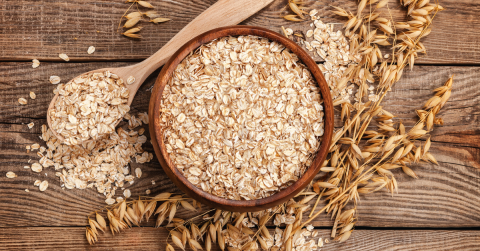
Fibre is a type of carbohydrate that your body can’t digest, playing a key role in digestive health, blood sugar balance, and even cancer prevention and recovery. There are two main types of fibre: soluble and insoluble. Each works differently in the body, and both are essential
What Is Soluble Fibre? Soluble fibre dissolves in water to form a gel-like substance in the digestive tract.
Why it matters:
• Slows digestion and helps stabilize blood sugar levels
• Can help lower cholesterol
• Feeds beneficial gut bacteria
• Is highly fermentable, meaning gut bacteria break it down to produce short-chain fatty acids (SCFAs) like butyrate
Digestive benefits:
• Helps with both constipation and loose stools
• Forms softer, easier-to-pass stool
Why this matters for cancer:
• Butyrate helps protect colon cells and may reduce inflammation
• Supports a healthier gut microbiome, which plays a role in immune function and cancer outcomes
• Emerging research suggests the microbiome may influence response to certain cancer therapies, especially in blood cancers and immunotherapy
Common sources: Oats and oat bran, beans and lentils, seeds such as chia seeds and ground flaxseed, fruits such as apples, pears, and citrus fruits, and psyllium
What Is Insoluble Fibre? Insoluble fibre does not dissolve in water. Instead, it adds bulk to stool and helps move food through the digestive tract.
Why it matters:
• Promotes regular bowel movements
• Prevents constipation
• Supports efficient elimination
Digestive benefits:
• Adds bulk to stool
• Keeps bowel movements regular
Why this matters for cancer:
• Helps reduce the time waste sits in the colon, limiting exposure to potential carcinogens
• Adds bulk and can help dilute harmful substances in the gut
• This is especially relevant for colorectal cancer prevention
Common sources: Whole wheat and whole grains, brown rice, nuts and seeds, vegetables such as broccoli, cauliflower, and leafy greens, skins of fruits and vegetables
A fibre-rich diet is particularly important in cancer care:
• In colorectal cancer, higher fibre intake is associated with better outcomes and reduced risk
• In blood cancers, the microbiome may influence how patients respond to treatments like chemotherapy and immunotherapy
• A healthy gut may also help reduce treatment-related side effects, including bowel irregularities
How Much Fibre Do You Need? Most adults should aim for at least 25–30 grams of fibre per day, ideally from a variety of whole, plant-based foods.
Actionable Steps:
• Include both types of fibre daily
• Start low and go slow: Gradually increase fibre to avoid bloating or discomfort
• Hydration is key: Drink plenty of water especially when adding foods like flaxseed or psyllium
• Listen to your body: During certain cancer treatments, fibre tolerance may change, so adjustments may be needed
Please note that the information provided in this blog post is for informational purposes only and should not be considered as medical advice. It is essential to consult with your healthcare provider or a qualified professional before making any healthcare decisions or taking any actions based on the information presented here.