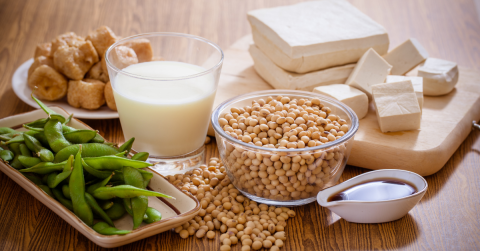
There’s been ongoing debate about whether soy foods and soy isoflavones, the plant compounds abundant in foods like tofu, tempeh, edamame beans and soy milk, act like estrogen in the body and potentially increase estrogen-related cancer risk. We’re here to share some new research that helps brings welcome clarity for clinicians and patients alike.
A recent systematic review and meta-analysis that combined data from 40 trials involving over 3,200 postmenopausal women, compared soy isoflavones with non-isoflavone controls (Viscardi, et al. 2024). The investigators looked at key measures of estrogen activity, such as endometrial thickness, vaginal tissue markers, follicle-stimulating hormone, and circulating estrogen (estradiol), over weeks to months of intake.
What did they find? No significant estrogenic effects of soy isoflavones were observed on any of these markers.
Importantly, these results help support the idea that soy isoflavones act like selective estrogen receptor modulators (SERMs), rather than like the human hormone estrogen. This aligns with previous research that shows plant-based estrogens (phytoestrogens) bind receptors differently than our own (endogenous) estrogen, and in the use of SERMs in clinical oncology to block estrogen-driven cell growth in breast tissue, which seem to act neutrally or beneficially elsewhere; for example, Tamoxifen is a known SERM.
What does this mean for you? Well, for many people with breast cancer seeking plant-forward diets, this evidence does not support common myths about soy foods being inherently estrogenic and risky. While dietary choices should always be individualized, this evidence suggests that soy can be considered part of a balanced nutrition plan for people with estrogenic health concerns.
In short, soy isoflavones do not appear to act as the hormone estrogen in the body, and emerging evidence frames them more like food-based SERMs - a nuanced perspective that supports their inclusion in integrative care where appropriate.
Author: Dr. Vanessa Phillips, ND
Please note that the information provided in this blog post is for informational purposes only and should not be considered as medical advice. It is essential to consult with your healthcare provider or a qualified professional before making any healthcare decisions or taking any actions based on the information presented here.